Flexible vs. Rigid: How to Stop Your Hammertoe from Getting Worse
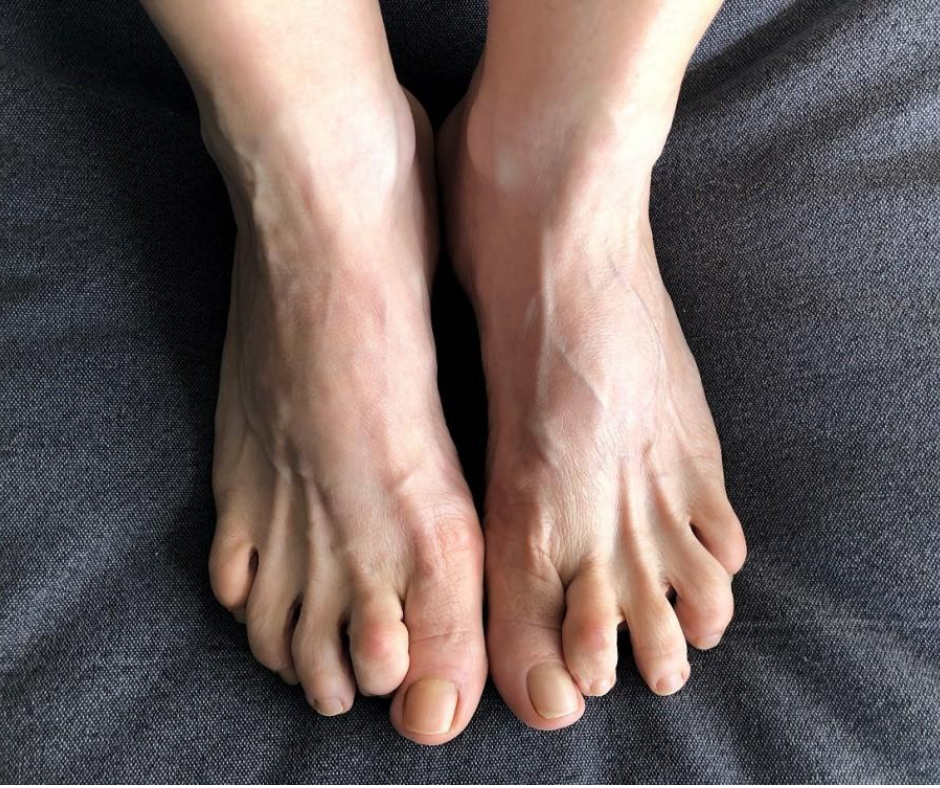
You look down and notice your second, third, or fourth toe isn't lying flat anymore. It’s starting to curl downward at the middle joint, resembling the head of a hammer.
At first, you might try to push it flat with your finger, assuming it's just a cosmetic quirk. Unfortunately, a Hammertoe is a progressive deformity caused by a structural muscle imbalance. It’ll take more than that to fix it!
At The Foot & Ankle Center of Maryland, we wish more patients recognized the signs of this condition, because we know how big a difference early action makes. That’s why the blog below covers both what to watch for and how to stop a hammertoe in its tracks.
The Root Cause: Why Are My Toes Curling?
Your toes are controlled by muscles that pull them up and tendons that curl them down. When these get out of sync, the flexors overpower the extensors, pulling the joint into a permanent bend. This imbalance is usually triggered by:
The "Bunion" Domino Effect: As a bunion forces your big toe to drift sideways, it physically pushes your second toe up and out of the way, forcing it to curl.
Improper Footwear: High heels and narrow, pointed-toe boxes cramp the toes, artificially holding them in a bent position for hours.
Faulty Mechanics: Having flat feet or high arches forces your toe muscles to work overtime to stabilize your foot, leading to rapid fatigue and contracture.
The Clock is Ticking: Flexible vs. Rigid
When assessing a hammertoe, the most important factor is the timeline. Left untreated, a manageable bend will lock into place, turning everyday walking into a painful chore.
1. The Flexible Stage (The Window)
· In the early stages, the joint is still mobile. You can physically take your finger and straighten the toe out to lie flat.
· If your toe is still flexible, you can successfully manage it and stop the progression without surgery.
2. The Rigid Stage (The Point of No Return)
· Over time, the tendons tighten permanently, and the joint essentially fuses in the bent position. You can no longer straighten your toe on your own.
· Once a hammertoe becomes inflexible, conservative treatments only manage the pain. To physically straighten the toe, surgery is required.
How to Stop the Progression (Conservative Care)
If you catch the deformity while it is still flexible, Dr. Cohen recommends these immediate interventions:
The Shoe Audit: Switch to shoes with a soft, roomy toe box. If your toes touch the top or sides of the shoe, it is too tight.
Padding and Offloading: We use commercially available straps, gel cushions, and non-medicated corn pads to remove the painful friction on the middle joint.
(Note: Never use medicated acid corn pads, as they burn healthy skin!)
Physical Therapy: Toe exercises (like picking up marbles with your toes) stretch and strengthen the intrinsic muscles, fighting the imbalance.
Custom Orthotics: If a bunion or flat foot is causing the imbalance, prescription orthotics can stabilize your foundation and remove the pressure.
When Surgery is the Only Option
If your hammertoe has become entirely rigid, causing severe pain and making it impossible to find comfortable shoes, conservative care is no longer enough.
Fortunately, Dr. Cohen performs advanced hammertoe correction surgery.
The Procedure: The surgery releases the tight tendon and often removes a tiny piece of bone to allow the joint to lie flat again.
The Recovery: This is typically performed on an outpatient basis, meaning you go home the same day. Many patients start walking on the operative foot within a few days and return to their normal routines shortly after.
Don't Wait for It to Lock
Your toes should not dictate your lifestyle. If you notice a bend forming, acting now can save you from the operating room later.
Questions? Concerns? Contact the office of Dr. Ross Cohen of The Foot & Ankle Center of Maryland in Glen Burnie, MD, at (410) 761-3501 to schedule your initial diagnostic appointment.
We look forward to meeting you!