The Sever’s Disease Diagnostic Checklist: Is Your Child’s Heel Pain Just "Growing Pains"?
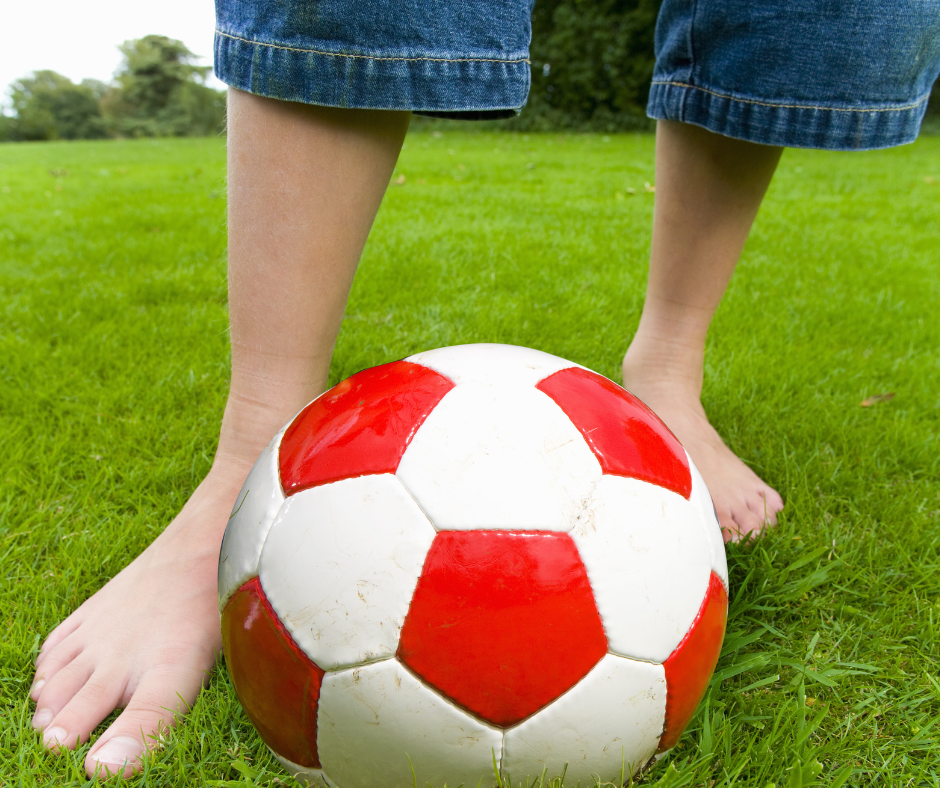
Parents across Anne Arundel County often dismiss their child's heel pain as a normal part of growing up. They assume an active child will inevitably experience minor aches after a long soccer tournament or track practice. However, when a child consistently limps off the field or complains of sharp, throbbing heel pain, it isn't just a phase. It is a structural warning sign.
At The Foot & Ankle Center of Maryland, we regularly evaluate young athletes suffering from a painful condition known as Sever's Disease. The following blog will help parents understand exactly what they are dealing with so they can take immediate action and keep their kids in the game.
What is Sever's Disease (Calcaneal Apophysitis)?
Sever’s Disease is not a traditional illness; it is a mechanical strain on the growth plate.
During rapid growth spurts (typically between ages 8 and 14), a child’s heel bone often grows much faster than the surrounding leg muscles and tendons.
This size mismatch creates immense biomechanical tension.
The resulting tight Achilles tendon pulls violently on the growth plate located at the back of the heel bone (the calcaneus) every time the child runs, jumps, or wears flat athletic cleats.
This continuous micro-trauma causes deep, debilitating inflammation.
The Diagnostic Checklist: How to Tell the Difference
Do not rely on the "tough it out" approach. Use this definitive checklist to determine if your child is dealing with Sever’s Disease:
The "Squeeze Test" Failure: Squeezing the back of the heel bone (right where the Achilles tendon attaches) produces a sharp, wincing pain.
The Morning Hobble: Your child experiences stiffness or actively walks on their tiptoes when taking their first steps out of bed to avoid putting pressure on the heel.
Activity-Triggered Spikes: The pain directly correlates with high-impact sports. The discomfort spikes during practice and only dulls after hours of complete rest.
The Cleat Squeeze: Wearing narrow, low-profile sports cleats with zero arch support instantly exacerbates the pain.
Visible Swelling: You notice slight redness, warmth, or swelling localized directly at the back of the heel.
The "Cushion vs. Correction" Reality
When heel pain strikes, many parents rush to the pharmacy for over-the-counter gel cups. This is a mistake. Squishy gel pads merely absorb minor shock; they provide zero mechanical correction to the Kinetic Chain. They do not stop the Achilles tendon from yanking on the inflamed growth plate.
To resolve Sever's Disease, you must shift from temporary cushion to medical-grade correction.
Custom Orthotics: We prescribe advanced, custom-molded orthotics to mechanically stabilize the foot, support the arch, and slightly elevate the heel, instantly relieving the tension on the Achilles tendon.
Targeted Physical Therapy: We implement specific calf-stretching protocols that safely lengthen the posterior muscles without aggravating the growth plate.
Footwear Audits: We evaluate your child's athletic footwear to ensure they utilize the correct drop and structural support for their specific sport.
Secure Your Child's Foundation
Do not let untreated biomechanical stress sideline your child's season. If your child complains of persistent heel aches, they need a professional structural evaluation.
And we know just who to call…
Questions? Concerns? Contact the office of Dr. Ross Cohen of The Foot & Ankle Center of Maryland in Glen Burnie, MD, at (410) 761-3501 to schedule your initial diagnostic appointment.
We look forward to meeting you!