Why Modern Fitness Trends Are Causing Heel Pain (And How Orthotics Can Fix It)
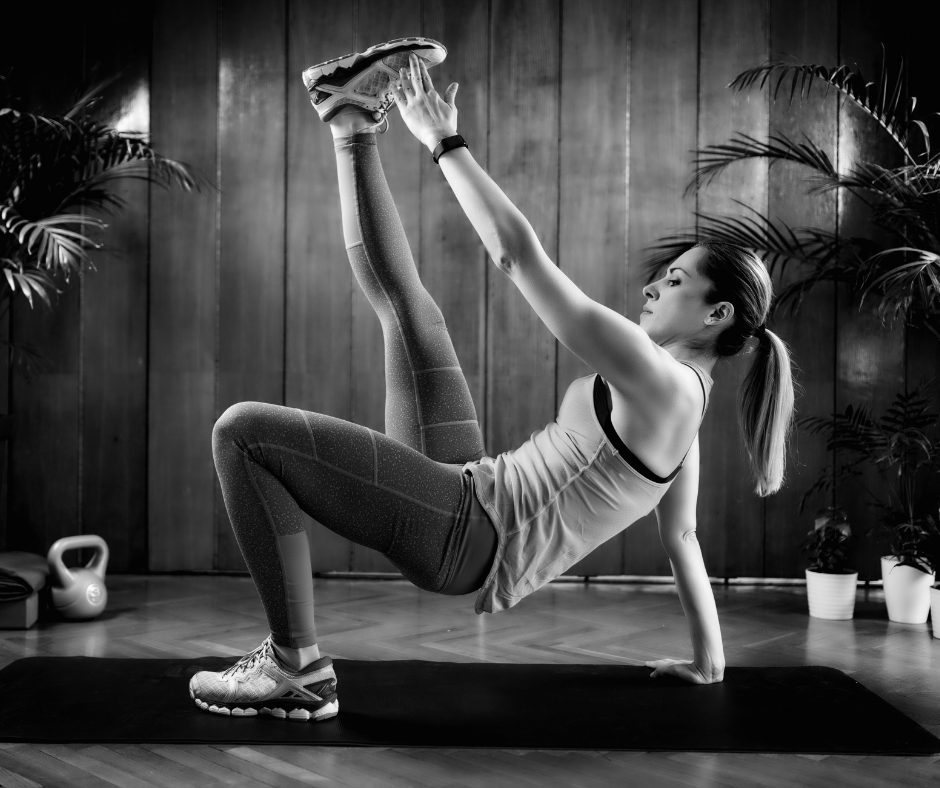
From the rise of the "Hybrid Athlete" to minimalist barefoot shoes in the weight room, modern gym culture is pushing our bodies in bold new ways. Today’s active adults aren't just jogging on a treadmill; they are mixing heavy barbell lifts with high-intensity interval training (HIIT) and long-distance weekend runs.
But while this varied approach is fantastic for overall fitness, it can also lead to lower extremity injuries. In this blog, Foot & Ankle Center of Maryland explains why these workouts are hurting your feet (and how custom orthotics can keep you training pain-free).
The Problem with Minimalist Gym Shoes
A massive trend in modern fitness is wearing "zero-drop" or barefoot-style shoes to lift weights. The logic is sound: a flat shoe provides a stable base for heavy squats and deadlifts.
· However, many gym-goers wear these completely flat, unsupportive shoes for their entire workout, including plyometric box jumps, sled pushes, and treadmill sprints.
· When you perform high-impact movements without structural support, your foot flattens out, placing tension on the plantar fascia ligament.
· This repetitive strain is exactly how minor arch fatigue turns into severe morning heel pain. If you are struggling with that classic stabbing pain when you first wake up, you need to start managing the plantar fasciitis before your ligament actually tears.
The "Hybrid Athlete" Overload
The "Hybrid Athlete" trend encourages people to excel at both strength training and endurance running simultaneously. However, abruptly adding high-mileage runs to a heavy lifting schedule shocks your body.
· When your legs are already fatigued from a heavy leg day, your running form naturally deteriorates.
· Your arches collapse (overpronation), forcing your lower leg muscles to overcompensate.
· Even the most expensive running shoes cannot fix fundamentally flawed biomechanics caused by muscle fatigue!
If you ignore this collapsing form, the tension travels up the back of your leg.
· If you are experiencing stiffness above the heel after a run, you might be experiencing Achilles tendonitis.Continuing to run on an inflamed Achilles tendon is a fast track to a full-on rupture!
How Custom Orthotics Keep You Moving
If you want to train like a modern athlete, you need medical-grade structural support. Over-the-counter gel pads from the pharmacy only provide temporary softness; they do not correct biomechanical flaws.
A custom orthotic is a prescription medical device engineered specifically for your foot’s unique kinetic profile. Here is how they solve gym-induced foot pain:
Targeted Alignment: Orthotics physically block your arch from collapsing during heavy lifts or long runs,ensuring your knees, hips, and lower back stay aligned.
Force Distribution: They offload pressure from inflamed areas, allowing damaged ligaments to rest and heal even while you remain active.
Performance Enhancement: When your foot strikes the ground efficiently, you waste less energy, leading to faster times and less fatigue.
Stop Guessing with Your Foot Health
You don't have to quit your favorite workouts to find relief from heel pain, but you do need the right foundation. Dedicated runners can surpass their limits and heal better with a podiatrist’s help, so if you don't want to wait for a minor ache to become a season-ending injury, just call. We’ll get you back on the go in no time!
Questions? Concerns? Contact the office of Dr. Ross Cohen at The Foot & Ankle Center of Maryland in Glen Burnie, MD, at (410) 761-3501 to schedule your initial diagnostic appointment.
We look forward to meeting you!